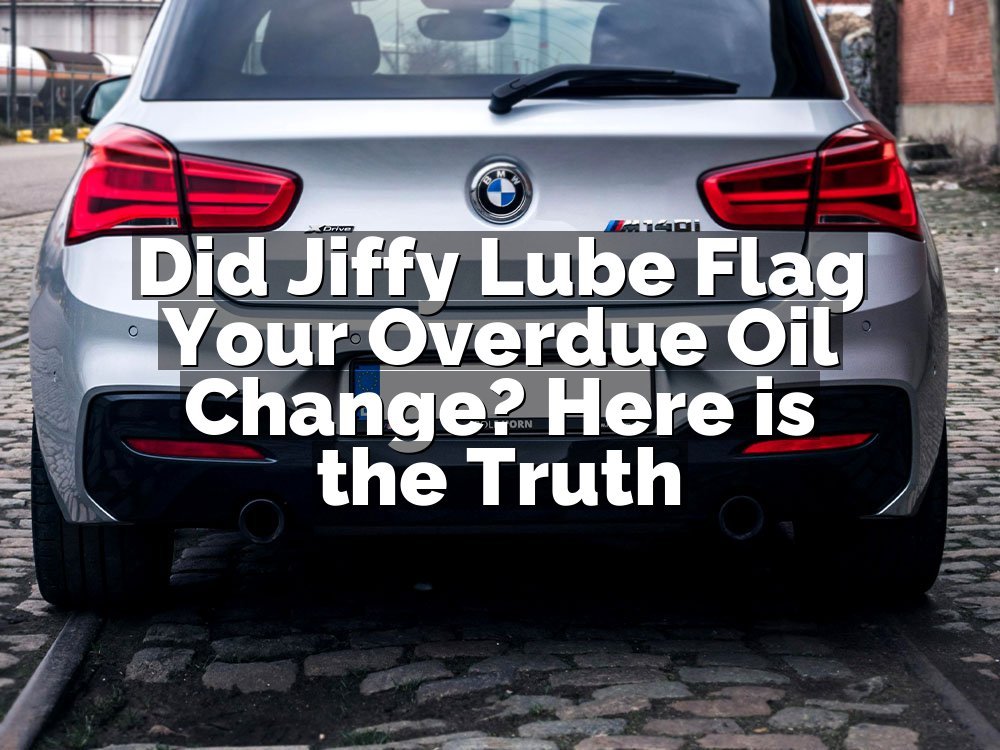

That red oil light on your dash is terrifying. Your BMW 1 Series engine needs oil to stay alive, so this light is not a joke. It means metal parts are rubbing together without the protection they need. You must act fast to save your motor from a total meltdown. In this guide, I will show you exactly what triggers this warning and the steps you need to take to fix it today.
You need to pull over immediately when that light glows red. Turn the engine off and wait ten minutes for the oil to settle. Check your dipstick to see if the level is low. If it is, add the right oil right away. If the level is fine, do not start the engine again. You likely have a bad sensor or a pump failure, so call for a tow truck to get home.
What Causes the Oil Light to Come On?
Seeing that light triggers instant worry for any driver. It points to a breakdown in the system that keeps your engine cool, and you need to find the cause fast.
Low Oil Level
Your engine consumes oil as it works hard. If you have not checked the levels in a while, the pan might be dry. This leaves the pump with nothing to push through the lines. Always keep an extra quart in your trunk for these moments. It saves your engine from ruin.
Worn Oil Pump
The pump moves oil through the block to keep parts slick. Over time, the gears inside wear out. They cannot push enough fluid to keep pressure up at idle. This is a common issue on older cars. You hear a ticking sound when the pump starts to lose its grip.
Dirty Oil Filter
A filter catches grit before it hits the engine internals. If it gets blocked, oil cannot pass through as it should. The pressure drops because the fluid gets trapped behind the paper. Change your filter on time to avoid this mess. It is an easy job for any home mechanic.
Bad Pressure Sensor
Sometimes the sensor lies to you. It sits on the block and sends a signal to your dash. If the wire shorts out, the light stays on even if the pressure is perfect. Test the sensor with a tool before you pull the engine apart. Trust but verify the data.
Sludge Build Up
Oil turns to thick goo if you skip your service intervals. This sludge clogs the pickup tube in the pan. The pump cannot suck up the oil because the tube is plugged solid. Keep your service record clean to prevent this. Sludge is the silent killer of German engines.
Worn Engine Bearings
Your crankshaft spins on thin metal bearings. If these get too loose, oil squirts out the sides too fast. The pump cannot hold pressure because the gaps are wide. This is a deep mechanical failure that usually requires a rebuild. You will hear a loud knock if this happens.
When you see that red warning, stop the car and stay calm. You can check these areas to find the truth:
- Check oil level
- Inspect for leaks
- Scan for codes
- Test oil pressure
- Replace the sensor
- Inspect the filter
How to Fix a BMW 1 Series Low Oil Pressure Issue
Fixing this system requires careful work and the right tools. You should handle these repairs with patience, because the oil system is the heartbeat of your BMW 1 Series machine.
Oil Level Correction
Start by checking your dipstick or the digital gauge. Many 1 Series models lack a physical stick, so trust the screen. If the level shows low, add the manufacturer-approved oil slowly.
Wait a few minutes for the oil to reach the pan. Check the reading again to verify the level is correct. Overfilling creates its own set of problems for your engine.
If the oil was just low, the light should stay off now. Keep an eye on your garage floor for signs of a leak. Oil leaks are common on these cars.
Pressure Sensor Replacement
Locate the oil pressure switch on the engine block. It usually sits near the filter housing. Unplug the wire connector carefully to avoid snapping the old plastic tabs.
Use a deep socket to unscrew the faulty switch. Place a rag underneath to catch the oil that will leak out. Keep the area clean during this swap.
Thread the new sensor in by hand first. Tighten it down to the correct torque spec. Reconnect the wire and check the dash light. It should go out now.
Filter Housing Inspection
The housing can crack or get clogged over time. Remove the cap and pull out the old filter element. Look for bits of metal or sludge in the bottom.
Clean the housing interior with a lint-free cloth. Replace the rubber O-ring to ensure a good seal. Tighten the cap until it feels snug and secure.
Fill the engine with fresh oil after the new filter is in. Run the engine for a moment. Check for drips around the housing cap area.
Oil Pump Testing
Hook up a mechanical gauge to the oil port. This tells you the real pressure. Compare your reading to the factory specs for your specific engine model.
If the pressure is low at idle but rises with speed, the pump is weak. A weak pump cannot keep the engine safe when you are stopped.
Removing the oil pan to reach the pump is a big job. You may need to lift the engine slightly. Take your time to get it right.
Sludge Removal Flush
Use a high-quality engine flush product if you find sludge. Pour it into the oil fill cap while the engine is warm. Let it run at idle.
Drain the oil while it is still hot. You want that loose gunk to come out with the fluid. Replace the filter with a brand new one.
Refill with synthetic oil and drive carefully. Monitor the pressure light to see if it comes back. Clean oil is the best way to keep engines healthy.
Bearing Clearance Check
Check the main bearings if you have a deep knock. This requires removing the oil pan and checking the caps. It is a very difficult, technical engine job.
Look for copper showing through the bearing surface. If you see metal flakes in the oil, your engine is damaged. You might need a full rebuild now.
Most home mechanics stop here and call a pro. If you lack the space or tools, do not force it. Protect the rest of the engine from damage.
Fixing this is hard, but you can do it with the right parts. Follow these steps:
- Change the filter
- Use synthetic oil
- Torque the sensor
- Check the wiring
- Clean the pan
- Test the pressure
✅ Also Read: BMW Low Oil Pressure Warning: Causes and Solutions
Why Does My Car Lose Pressure When It Gets Hot?
When your BMW 1 Series engine heats up, the oil gets thinner. This is normal behavior for motor oil as it reaches operating temperatures. However, if your oil is too thin or your pump is weak, the pressure will drop. A healthy pump can keep enough flow going even when the oil is thin, but a worn pump fails this test every time.
Hot oil finds leaks more easily than cold, thick oil. If you have a loose bearing or a bad seal, the oil squirts out of the engine gaps faster. This drops the pressure reading on your dash. You should always use the weight of oil recommended by BMW to ensure you have the right protection.
If the light only comes on at stoplights, your pump is likely the culprit. The engine speed is low, so the pump spins slowly. It cannot push enough volume to keep the pressure up. As soon as you hit the gas, the light goes off. This is a classic symptom of an old, tired oil pump.
- Use thicker oil
- Test oil pump
- Check for leaks
- Inspect the bearings
- Clean the pickup
- Swap the sensor
Is It Safe to Drive with the Light On?
You should never drive with that red light glowing. It is a sign of an immediate emergency. Running an engine without oil pressure causes permanent damage in just a few minutes. The metal parts will start to weld themselves together from the intense heat and friction. Replacing an engine is a nightmare.
If you keep driving, you are gambling with your car. The cost of a tow truck is nothing compared to the price of a new engine. Most people who ignore the light end up with a car that will never run again. Do not be that person. Pull over to a safe area.
Turn off the engine and wait. Sometimes a quick check shows you are just low on oil. If you have a jug in the trunk, you can top it off and get home. But if the light stays on after filling the oil, do not move the car another inch. Call for help.
- Pull over fast
- Stop the engine
- Check the level
- Look for leaks
- Call a tow
- Avoid driving
Can a Bad Filter Cause This Problem?
Yes, a clogged or collapsed filter acts like a wall. It forces the oil to take a detour or stops it completely. If the bypass valve in the filter gets stuck, the oil cannot reach the engine. This makes the pressure gauge drop to zero. Always buy high-quality filters for your BMW.
Cheap filters often have weak housing or poor paper inside. They can collapse under the pressure of the pump. When the paper folds, it blocks the flow path. This is a very common mistake people make when trying to save a few dollars on maintenance. It is not worth the risk.
Check the filter housing every time you change the oil. Ensure the O-ring is seated well and the cap is not cracked. If you notice any weird noises after a filter change, swap it out for a different brand. A bad part can ruin your day and your engine.
- Buy quality filters
- Inspect the O-ring
- Check for cracks
- Use the right part
- Tighten the cap
- Avoid cheap brands
How Do I Know If the Sensor is Lying?
The best way to know is to use a manual gauge. A manual gauge does not rely on electrical signals. It gives you a mechanical reading of the pressure inside the block. If the manual gauge shows good pressure but the dash light is still on, your sensor is definitely bad.
Sensors are fragile pieces of plastic and wire. They live in a harsh, hot environment near the engine. They fail more often than the pump itself. You should check the wiring harness for signs of rubbing or melting before you buy a new sensor. A shorted wire acts just like a dead sensor.
Sometimes you can unplug the sensor to see if the light goes out. If the light stays on with the wire disconnected, you have a short in the harness. If the light turns off, the sensor is sending a bad signal. This is a simple trick to narrow down your search.
- Test with gauge
- Check the wire
- Look for shorts
- Clean the plug
- Verify the ground
- Swap the sensor
Final Thoughts
I hope this guide helps you get your BMW 1 Series back on the road. Dealing with engine issues is never fun, but you are smart to address this now. Keep your oil levels topped up and use the right grade for your model. If the red light stays on, please do not ignore it. Stay safe and take care of your car, because it will take care of you for many miles to come.
| Part | Status | Action |
|---|---|---|
| Oil Filter | Check | Replace |
| Oil Pump | Test | Repair |
| Sensor | Inspect | Replace |
| Oil Level | Monitor | Add |
| Bearings | Check | Rebuild |
| Wiring | Inspect | Repair |
| Dipstick | Monitor | Clean |
| Pan Gasket | Check | Seal |
| O-Ring | Inspect | Replace |
| Engine | Monitor | Flush |
Frequently Asked Questions
Is the Oil Pressure Light the Same As the Oil Change Light?
No, they are very different. The oil change light is a reminder for service. The oil pressure light is a red emergency warning. Never confuse the two, as one is for maintenance and the other is for your engine’s life.
Can I Just Add More Oil to Fix the Light?
You can try if the level is low. Add a quart of oil and see if the light goes out. If the level was fine already, adding more will not help and could cause damage to your engine seals.
Are BMW 1 Series Engines Prone to Oil Leaks?
Yes, they are. As these cars age, the rubber gaskets and seals get hard and brittle. This causes oil to leak out of the engine. A small leak can lead to a low level very quickly if ignored.
Do I Need a Special Tool to Test the Pressure?
You need an oil pressure test kit. It includes a gauge and adapters that fit your engine block. You can rent these from most auto parts stores for free. It is a very useful tool to have.
Will High Engine Heat Affect My Oil Pressure?
Yes, it does. Heat makes the oil thinner. If your pump is old, it cannot maintain pressure with thin oil. This is why you should always use the specific oil viscosity that your owner manual suggests.
Should I Use Synthetic Oil in My BMW?
You must use synthetic oil. BMW engines require high-quality oil to handle the heat and pressure. Conventional oil will break down too fast and cause sludge. Always look for the BMW approval rating on the bottle.
Will a Shorted Wire Cause the Light to Stay On?
Yes, a short in the wire will trick the computer. It makes the light glow even when the pressure is fine. Inspect the wiring around the engine block for signs of heat damage or frayed insulation.
Can a Bad Oil Pump Ruin My Engine?
Yes, it will destroy it. If the pump fails, the engine runs without any lubrication. Metal parts will grind together and weld themselves shut. You will need a new engine if you drive with no pressure.